Is paint protection film worth it? For most people who drive a lot of highway miles, plan to keep the car for years, or care about how the paint looks when they trade it in, the answer is yes, because it stops the rock chips, scratches, and bug and bird damage that no wax or ceramic coating can. Paint protection film, often called PPF or clear bra, is a thick, clear urethane film applied over the painted surfaces that take the most abuse. It takes the hit so the paint underneath does not. It is less valuable for a car that sits in a garage, covers short local miles, and will be traded in soon. The right answer depends on how you drive, where the car lives, and how long you plan to own it. At Professional Window Tinting we install paint protection film at our Newark, DE shop, and this guide walks through what PPF does, what it does not do, how coverage options work, and the questions that tell you whether it makes sense for your car.
Table of Contents
- What Paint Protection Film Actually Does
- Is Paint Protection Film Worth It for How You Drive?
- Coverage Options
- PPF vs Wax and Ceramic Coating
- What PPF Will Not Do
- Caring for Paint Protection Film
- Frequently Asked Questions
What Paint Protection Film Actually Does
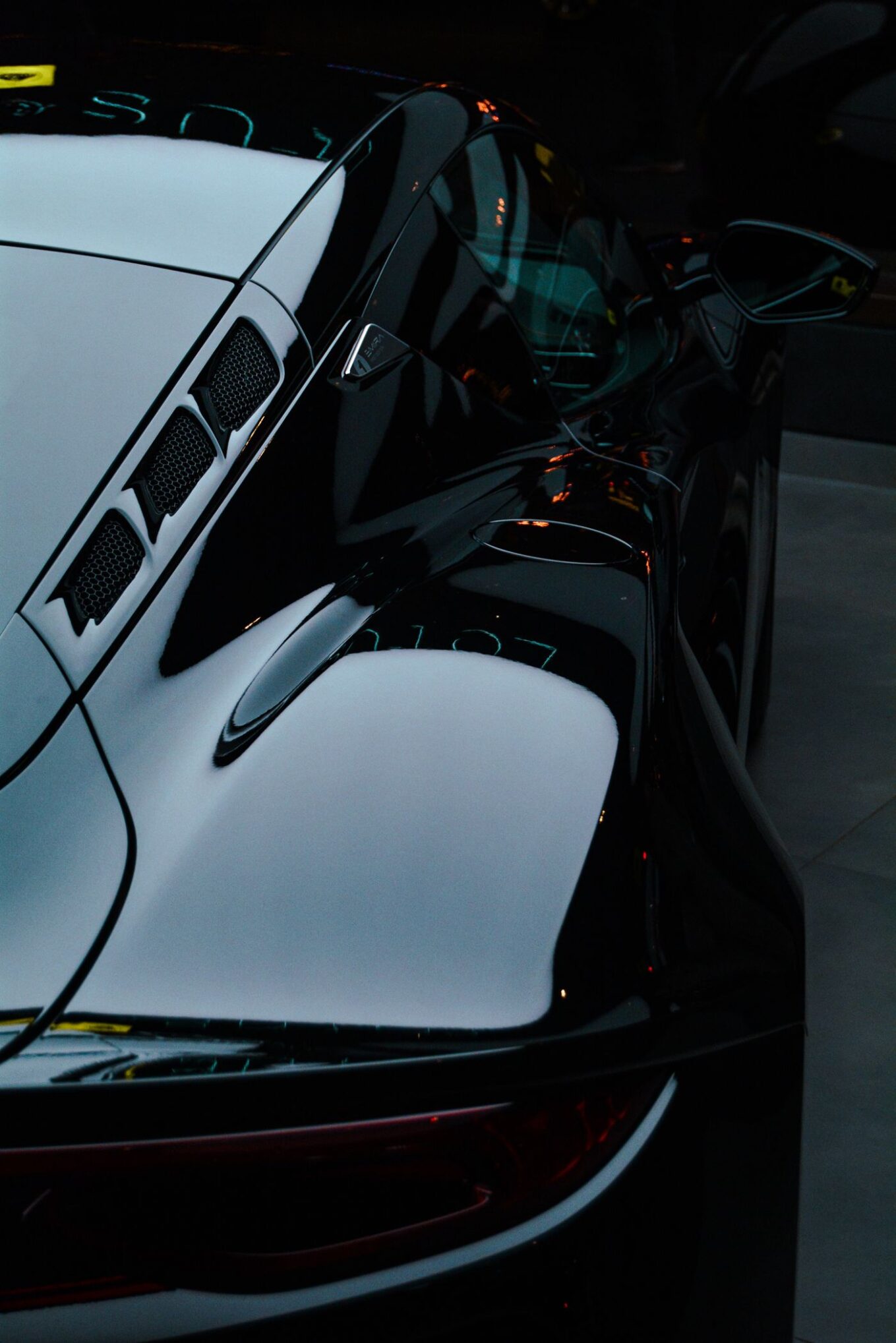
Paint protection film is a physical barrier. It is much thicker than any coating, and it is made from a flexible urethane that absorbs impact from small stones and road debris instead of letting that energy chip the paint. It also takes the scuffs, light scratches, and stains that would otherwise land on the clear coat.
Many modern films also have a top coat that lets light swirl marks and fine scratches smooth out with heat from the sun or warm water. That does not make the film indestructible, but it does mean the surface keeps looking good longer than bare paint would.
The damage PPF is designed to stop
- Rock chips on the hood, bumper, and mirrors from highway driving
- Scratches and scuffs around door handles, door edges, and the rear bumper loading area
- Bug splatter and bird droppings, which AAA notes are acidic enough to damage car paint if left too long
- Road grime, tar, and winter road treatment that wears on the front of the car
Is Paint Protection Film Worth It for How You Drive?
The honest way to answer the question is to look at how the car is used. Here is what tips the balance toward film.
Signs PPF makes sense
- You drive a lot of highway miles. Commuting on I-95, Route 1, or the Beltway means following trucks and passing construction zones, and that is where most rock chips come from.
- You plan to keep the car for years. Chips and scratches pile up over time, and PPF keeps the paint underneath looking the way it did the day you bought it.
- The paint color shows damage. Dark colors and some specialty finishes show chips and swirls far more than lighter colors.
- The car parks outside. Street and lot parking means more exposure to birds, tree sap, weather, and door dings.
- Resale matters to you. Clean, original paint helps a car show well when it is time to sell or trade.
Signs it may not be worth it
If the car lives in a garage, mostly covers short local trips on quiet roads, and you plan to trade it in soon, PPF has less work to do. In that case a partial kit on the most exposed areas, or a good coating and regular washing, may be all you need.
Leased cars are a special case. If you lease, chips and scratches can show up as wear charges at turn-in, so some drivers put film on the front end to return the car in cleaner condition. Check your lease terms for what counts as excess wear, and ask us which areas tend to take the most damage on the vehicles we see.
Coverage Options
PPF is not all or nothing. Most people choose coverage based on where their car actually takes damage.
- Partial front. The front bumper, the leading edge of the hood and fenders, and the mirrors. This covers the areas that take the most rock chips.
- Full front. The entire hood, full front fenders, bumper, mirrors, and headlights. There is no visible film edge across the middle of the hood.
- High-wear areas. Door edges, door cups behind the handles, rocker panels, and the rear bumper top where bags and boxes slide in and out.
- Full body. Every painted panel, for owners who want the whole car protected.
Our paint protection film page covers the packages we install, and we are happy to look at your car and talk through which areas take the most abuse on your commute.
PPF vs Wax and Ceramic Coating
Wax and ceramic coatings add gloss, make the car easier to wash, and help resist stains. AAA’s guide to protecting your car from weather and animal damage recommends them for exactly that. What they cannot do is stop a rock. They are far too thin to absorb impact.
That is why many owners use both: film on the areas that take impact, and a coating over the film and the rest of the car for gloss and easier washing. They are not competing products. They solve different problems.
What PPF Will Not Do
- It will not fix existing damage. Chips and scratches already in the paint stay under the film. Paint correction or touch-up should happen first.
- It will not stop everything. A large rock at highway speed or a hard impact can still damage the film, and sometimes the paint beneath it.
- It is not permanent. Film is a wear layer. When it has done its job, it can be removed and replaced.
People also ask about discoloration over time. Our post on whether paint protection film turns yellow explains what causes it and how modern films are built to resist it.
Caring for Paint Protection Film
Film is easy to live with. Wait the recommended time after install before the first wash, then wash normally with a pH-neutral soap. Avoid aiming a pressure washer directly at film edges. Clean off bird droppings and bug residue promptly, just as you would with paint. Many owners add a coating made for film to keep it slick and easy to clean. We give every customer specific aftercare instructions at pickup.
Frequently Asked Questions
Can you see paint protection film on the car?
Quality film installed well is very hard to spot. Edges are wrapped or placed along body lines where possible, and on full front coverage there is no line across the middle of the hood.
Should PPF go on a brand new car right away?
The sooner the better, because the goal is to protect paint before it collects chips. A new car still gets a careful inspection and prep before film goes on.
Can PPF be removed later?
Yes. Professionally installed film can be removed by a professional, leaving the original paint underneath.
Do you also tint windows while the car is in?
Yes. Many customers do both in one visit. Our automotive window tinting and ceramic window tint pages explain the options.
Want to Keep Your Paint Looking New?
Professional Window Tinting installs paint protection film for drivers across Delaware, Maryland, and southern Pennsylvania at our Newark, DE shop. Request a free quote and we will help you pick coverage that fits how you drive.