





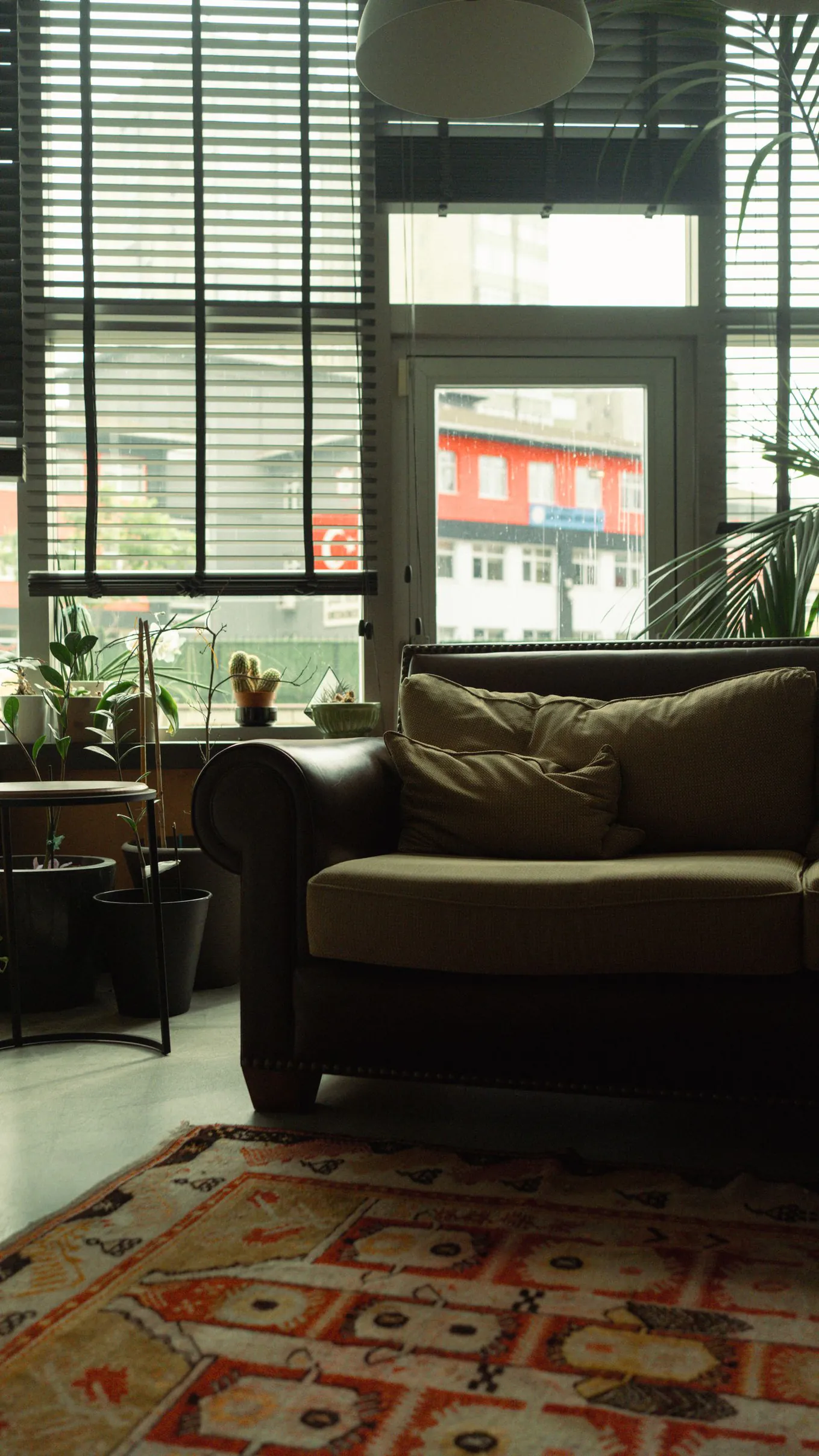
Night Vision window film solves a problem that most sun control film creates: the mirror effect after dark. Reflective films work by bouncing solar energy off the outside of the glass, which is excellent for heat and glare during the day and frustrating at night, when your lit room becomes the bright side and the window turns into a mirror. The 3M Night Vision series is built as a dual reflective film, meaning the exterior surface is more reflective than the interior one. You still get meaningful heat rejection, glare control, and ultraviolet protection during the day, and you still have a view out the window in the evening. For homes and offices in Baltimore and Newark where the view is part of why the window exists, that combination is usually the deciding factor.
Table of Contents
- The Problem It Was Designed Around
- How Dual Reflective Film Works
- Where It Fits Best
- What It Does Not Do
- How It Compares to Other Sun Control Films
- Frequently Asked Questions
The Problem It Was Designed Around
Every piece of glass behaves the same way regardless of what film is on it: you see through it toward the brighter side, and you see a reflection of whichever side is darker. During the day the outside is brighter, so from inside you look out and from outside people see reflection. After sunset that reverses. Your lamps are on, the outside is dark, and now the reflective surface is facing you.
With a heavily reflective film, that evening mirror effect is strong enough that people stop using the window. It is the single most common complaint we hear about older reflective film, and it is why homeowners who bought film for daytime comfort end up closing the blinds at night anyway. The window ends up doing less work than it did before.
How Dual Reflective Film Works
A dual reflective film is constructed with different reflectivity on each face. The outward-facing side carries more of the reflective performance, which is where you want it, because that is the side doing the work against the sun. The inward-facing side is darker and less reflective, so it does not throw your own room back at you after dark.
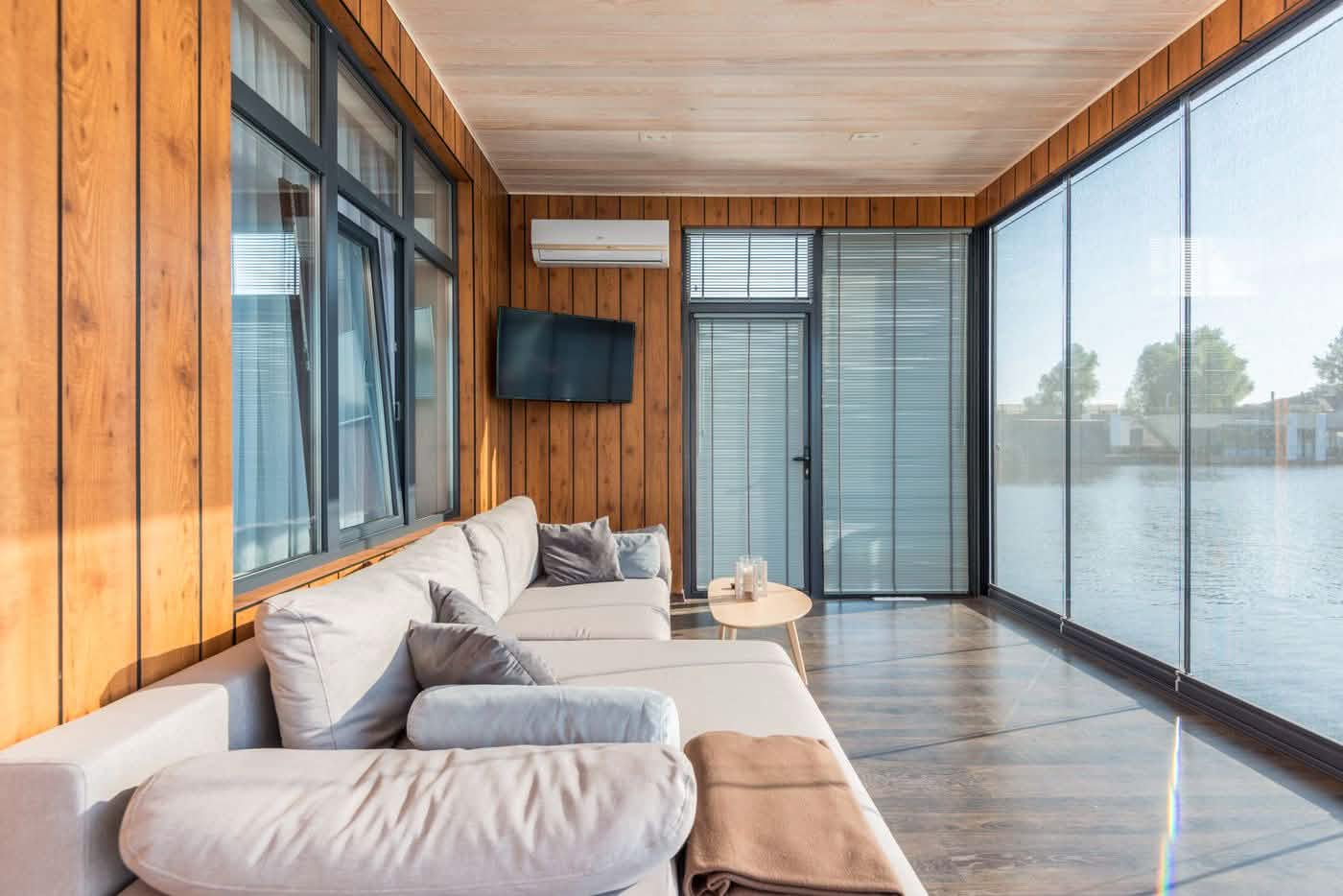
The daytime performance is what you expect from a quality sun control product: a substantial share of solar heat rejected at the glass, glare reduced, and up to 99 percent of ultraviolet light blocked. Ultraviolet matters more than people assume in this region, and the EPA UV Index scale is a good reminder that it is not only a summer concern. Film ratings are the way to compare products honestly, and the NFRC consumer guide to window film explains what each number means before anyone hands you a brochure.
Where It Fits Best
Certain situations make this an easy recommendation.
- Homes where the view is the reason the window is there: water, a garden, a city skyline.
- Rooms used in the evening, which is most living space in a house.
- Offices and conference rooms where people work past sunset and nobody wants a wall of mirrors.
- Any west-facing glass that needs serious afternoon heat control but cannot go dark.
- Buildings where a heavily mirrored exterior would look wrong, or where a condo association or landlord has a say.
That last point comes up more than you would think. Some communities restrict exterior appearance, so it is worth checking before anything gets ordered. We cover the residential side on our residential window films page and the commercial side on commercial window film.
What It Does Not Do
Being straight about limits is how you avoid disappointing someone six months later. Night Vision film is a sun control product. It is not a security film, so it is not designed to hold glass together against forced entry, and that is a different product covered on our safety and security film page.
It also does not give you privacy at night. Because it is deliberately less reflective on the inside, it is also less of a barrier to anyone looking in once your lights are on. Daytime privacy is good. Nighttime privacy comes from a covering you can close, or from a frosted product where that is the priority. We walk through those options in privacy window film options.
How It Compares to Other Sun Control Films
Think of it as one point on a spectrum. At one end, nearly clear films reject heat and ultraviolet with almost no visible change and almost no reflectivity, which suits people who want zero appearance change. At the other end, heavily reflective films deliver the strongest heat rejection and the strongest daytime privacy, and they bring the evening mirror with them.
Night Vision sits in between by design, and for most homes that is the right place to be. The way to decide is not from a chart, it is by looking at samples on your own glass, in your own room, at the time of day the problem happens. Our sun control window film page covers the wider range, and why we install 3M film explains the product line.
The series itself comes in several levels rather than one product, which is the part most people do not realize until they see samples. A lighter option changes the appearance of the glass very little and still handles a meaningful share of the heat. A darker one gives you stronger daytime privacy and more aggressive glare control. The film is the same technology either way, so the decision is about how much visible light you want to give up for how much performance, room by room and elevation by elevation. There is no requirement to use one level everywhere in a building.
Commercial buildings often land here for a reason worth naming. A tenant wants the afternoon under control, the landlord wants a facade that does not look like a mirrored office block from the eighties, and a dual reflective product satisfies both. On a multi-tenant building it also gives you a way to treat several suites consistently without the exterior turning into a patchwork.
Frequently Asked Questions
Will Night Vision window film darken the room?
It reduces visible light, so there is a change, and how much depends on which product in the series you choose. The point of the range is that you can match the level to the room rather than accepting one setting everywhere in the house.
Can it go on insulated or low-E glass?
Often yes, but the glass has to be identified first because thermal stress is a real consideration on the wrong combination. We cover it in window films on insulating glass windows, and it is part of every site visit.
Is it the same film used on cars?
No. Automotive and architectural films are different products built for different glass and different regulations. Our automotive films page covers the vehicle side.
Does it help in winter?
Sun control film is primarily about rejecting solar heat. If reducing heat loss is your goal, that is a low-E product and a different conversation, which we covered in window film for winter.
See It on Your Own Windows
Samples held up to your glass at four in the afternoon settle this faster than any specification sheet. See our Night Vision window film page, then request a quote.
