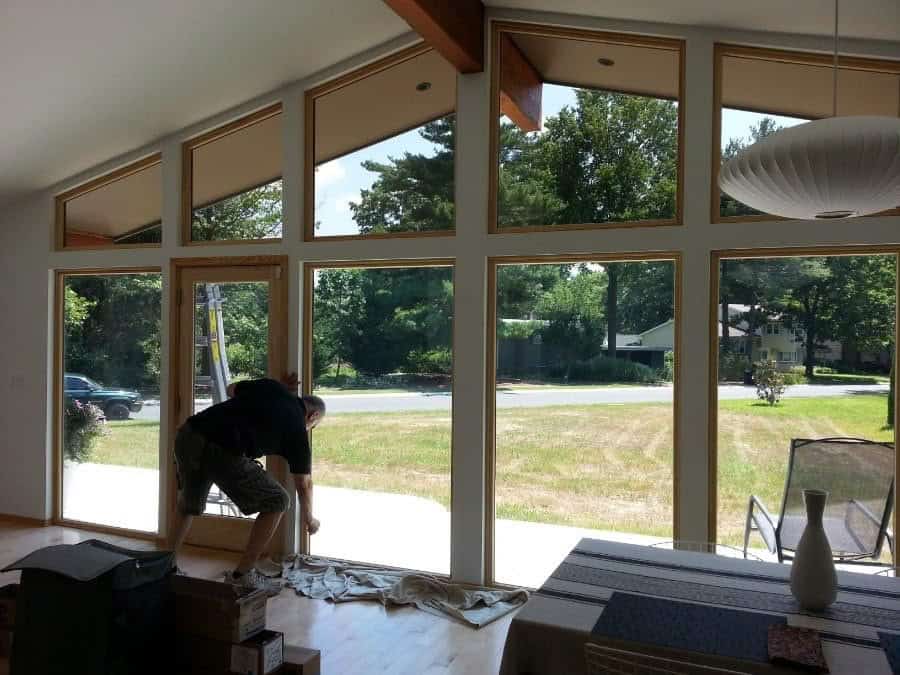
Yes, you can put window film on insulated glass windows — including Low-E and double-pane units — and in most cases, it makes your windows perform significantly better. The key is selecting a film that’s compatible with your specific glass type and having it professionally installed by a certified installer who can verify that compatibility upfront.
Modern window film technology has advanced well beyond basic tinting. For Low-E or double-pane windows, specialized films like 3M Thinsulate Low-E Window Film can reduce heat gain in summer, retain warmth in winter, and block over 99% of UV rays — all without compromising your existing glass warranty when installed correctly.
Below, we break down how window film works with insulated glass, which products perform best, and what to look for in a professional installation.

How Low-E and Double-Pane Glass Work
When you first hear “Low-E” or “double-pane,” it may sound like you already have highly efficient windows. While that’s true, window film can take these windows a step further by adding crucial benefits:
Low-E (Low-Emissivity) Glass: Features a nearly invisible metallic coating that reduces how much infrared (IR) and ultraviolet (UV) light can transfer through the glass.
Double-Pane Glass: Uses two layers of glass with a spacer and often an inert gas between them to improve insulation and reduce heat exchange.
Both of these glass types already help manage interior temperatures. However, even top-notch windows can struggle with excessive solar heat gain, glare, or incomplete UV protection. This is where specialized window film can truly excel.
How Window Film Enhances Efficiency for Insulated Windows
Adding a high-quality film to Low-E or double-pane windows often delivers:
- Up to 86% solar heat rejection — available with select 3M Sun Control films, per 3M’s published product performance data (source)
- Greater than 99% UV blocking — helps protect furnishings, reduces fading on floors and upholstery, and lowers occupant UV exposure (per IWFA standards)
- Improved thermal comfort — 3M Thinsulate adds a measurable insulating layer that reduces cold-edge drafts near windows in winter
- Reduced glare — less eye strain for offices, homes, and schools; many films cut glare without significantly darkening the glass
- Year-round energy savings — documented energy cost reductions when Low-E film is added to single- or double-pane glass, per the Attachment Systems study referenced by 3M
Note: Before application, a professional should assess your windows — especially double-pane or existing Low-E units — to confirm film compatibility and protect seal integrity.
Window Film vs. Window Replacement: Which Makes More Sense?
If your insulated glass windows are performing below expectation, you’re likely weighing two options: replace the windows entirely or add window film. Here’s a straightforward comparison:
| Window Film | Window Replacement | |
|---|---|---|
| Upfront Cost | Low to moderate | High |
| Installation Time | Hours | Days |
| Disruption | Minimal | Significant |
| UV Protection | 99%+ | Varies by glass spec |
| Heat Rejection | Up to 86% | Depends on window grade |
| Customizable | Yes (privacy, decorative, security options) | Limited |
| Warranty | 3M lifetime commercial warranty available | Manufacturer warranty |
| Best For | Upgrading functional windows that aren’t damaged | Windows that are broken, fogged, or structurally failed |
For most commercial and residential properties in Newark, DE and Baltimore, MD, window film on insulated glass delivers 80–90% of the performance benefit of full replacement at a fraction of the cost. The exception: if your double-pane unit has a failed seal (visible fogging between panes), replacement is the right call — film won’t fix a compromised insulating layer.
Low-E Window Film vs. Low-E Glass: What’s the Difference?
Your windows may already have a Low-E coating baked into the glass — so why add Low-E film?
Low-E glass is manufactured with a metallic coating embedded during production. It’s effective but fixed — you can’t adjust its performance, and older Low-E glass may have limited UV or heat rejection specs compared to modern standards.
Low-E window film (like 3M Thinsulate) is applied to the interior surface of existing glass. It can be layered on top of existing Low-E glass to boost performance, add UV protection, or improve winter insulation — without replacing the window. It’s also upgradeable: if your needs change, the film can be replaced.
Bottom line: Low-E glass and Low-E film aren’t competing solutions — they work together.
Commercial Window Film Solutions for Enhanced Savings and Security
In commercial spaces, window film is more than an energy-saving tool. It’s an investment that enhances occupant satisfaction, protects assets, and can even improve building aesthetics. Below is a closer look at how you can upgrade your property’s windows to achieve specific goals, whether it’s reducing energy costs or fortifying against potential threats.
Adding window film to your commercial space is an investment that yields immediate and long-term returns. You can lower energy bills and see positive impacts on tenant comfort and occupant retention.
Sun Control Window Film: Keeping Heat and Glare at Bay
Excessive glare and solar heat can disrupt productivity and drive up air conditioning costs. Sun control window films help regulate indoor temperatures, creating a more pleasant environment without sacrificing natural light. The benefits include:
Heat and Glare Control: Less eye strain, more productive workplaces, and reduced reliance on HVAC systems.
Lower Energy Bills: By blocking unwanted heat, your cooling system works less, saving on monthly energy costs.
Preserved Views: Many films are designed to cut glare without overly darkening your windows, maintaining an open, inviting atmosphere.
Safety and Security Window Film: Peace of Mind and Protection
Glass windows and doors are often the most vulnerable points of a building’s structure. Safety and Security Window Film stretches rather than tears, helping hold glass in place if it shatters due to break-ins or natural disasters. This added layer of protection:
• Reduces Injuries: Prevents shards of flying glass, protecting people inside and out.
• Delays Forced Entry: Gives occupants and first responders more time to react in emergencies.
• Preserves Aesthetics: Safety films are typically clear and unobtrusive, maintaining your building’s existing look.
Combining these security films with 3M™ Impact Protection Attachment Systems can further enhance resilience against smash-and-grab attempts or bomb blasts.
Decorative and Privacy Window Film: Transforming Spaces with Style
Beyond energy and security features, window films can also update the appearance of commercial spaces. Decorative and privacy films:
Customize the Look
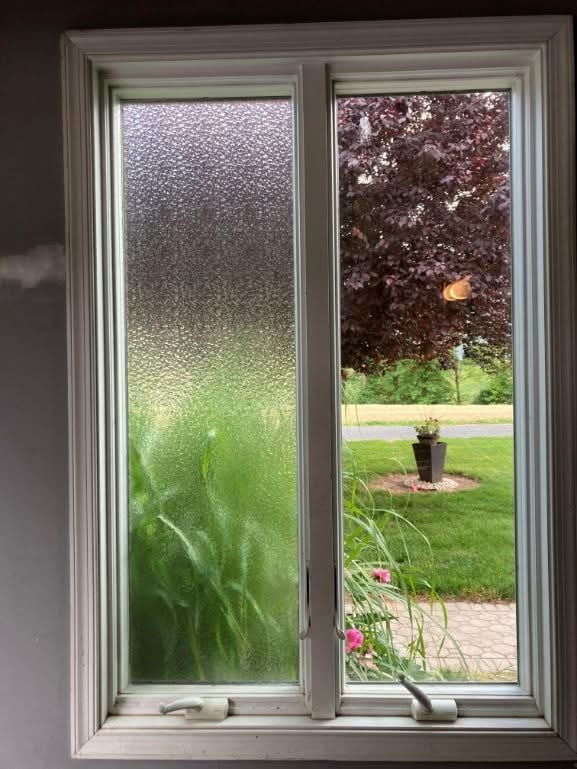
Frosted, tinted, or patterned films give a unique aesthetic without the expense of etching or replacing glass.
Increase Privacy
Ideal for conference rooms, offices, and reception areas where open layouts matter, but discretion is still needed.
Adapt Easily
Unlike permanent glass treatments, these films can be replaced or updated, making them a flexible solution for evolving design trends.
Casper Cloaking Technology: Balancing Collaboration and Privacy
Some workplaces thrive on openness but still need confidentiality for meetings and presentations. Casper Cloaking Technology is an architectural film that:
Blocks LED Screen Light: People outside the room see only a blank screen, maintaining data privacy without closing off the room visually.
Preserves Transparency: Allows a view of the room and its occupants, promoting a collaborative and modern feel.
This is ideal for boardrooms, healthcare facilities, or any organization where screen confidentiality must be balanced with transparency.
Low-E Window Films: Optimize Your Windows Year-Round
Property owners and managers throughout Newark, DE, Baltimore, MD, and surrounding areas of Delaware, Maryland, and Pennsylvania often turn to Low-E window films for year-round efficiency — and for good reason. These films are especially valuable in regions like Delaware and Eastern Maryland, where seasonal weather can fluctuate significantly:
- Winter Insulation: Blocks the cold outside while retaining interior warmth, potentially lowering heating costs.
- Summer Relief: Reflects the sun’s heat to maintain cooler indoor temperatures, reducing the need for constant air conditioning.
- UV Protection and Glare Reduction: Vital for occupant comfort, health, and the longevity of furniture and flooring.
Retrofitting older windows with Low-E film is an excellent way to boost energy efficiency without the high cost of a full window replacement.
How to Ensure the Right Film and Professional Installation
When upgrading with window film—especially on Low-E or double-pane glass—consider the following:
- Glass Type and Coatings: A professional inspection ensures compatibility with existing Low-E coatings, preventing seal damage or condensation.
- Performance Goals: Clarify your top priorities—be it heat rejection, glare reduction, security, or privacy—so your installer can recommend the correct film.
- Warranty Considerations: Make sure the chosen film comes with a robust warranty. This is especially important for commercial installations where longevity is a key factor.
- Reputation and Certifications: Look for trusted dealers, such as a Premier 3M-certified installer, who maintain high standards of workmanship and technical knowledge.
Frequently Asked Questions: Window Film on Insulated Glass
Can you put window film on double pane windows? Yes. Window film can be applied to double-pane insulated glass units (IGUs) without damaging the seal, provided you use a film that’s compatible with your glass type and have it installed by a professional. At Professional Window Tinting, we verify glass compatibility before every installation.
Will window film void my insulated glass warranty? It depends on the film and manufacturer. Some window film products — including select 3M films — are designed to be compatible with insulated glass and won’t void your existing warranty when installed correctly. We recommend asking your installer for written documentation of film-to-glass compatibility.
What is the best window film for double pane windows? For energy efficiency, 3M Thinsulate Low-E Window Film is one of the top-performing options for double-pane and insulated glass. For heat and glare control, 3M Prestige Solar Film is a strong choice. The best option depends on your primary goal — we help clients in Newark, DE and Baltimore, MD identify the right film for their specific windows and needs.
Can window film cause insulated glass to fail? Using the wrong film on the wrong glass type can increase heat absorption and stress the seal of a double-pane unit. This is why professional assessment matters. A certified installer will check your glass type, existing coatings, and orientation before recommending any film.
Does window film help with heat in winter as well as summer? Yes — certain Low-E films like 3M Thinsulate are specifically engineered for year-round performance. They reflect interior heat back into the room during winter while blocking solar heat gain in summer. This dual-action efficiency makes them especially valuable in climates like Delaware and Maryland, where seasonal swings are significant.
How long does window film last on insulated glass? Most professionally installed window films last 10–20+ years. 3M offers a lifetime warranty on select commercial films installed by certified dealers. Professional Window Tinting is a Premier 3M-certified installer, so your installation is backed by both the manufacturer and our workmanship guarantee.
Is window film worth it if I already have Low-E glass? In most cases, yes. Existing Low-E glass manages some infrared and UV light, but it has fixed performance specs. Adding a film layer — particularly 3M Thinsulate or a high-rejection solar film — can meaningfully reduce energy costs and improve occupant comfort beyond what the glass alone provides.
A Simple Upgrade for Lasting Results
Whether you manage a commercial property in Baltimore, own a busy office in Newark or Wilmington, or want to improve comfort at your Delaware or Maryland home, window film is a straightforward, cost-effective way to maximize your existing windows. From balancing temperature and blocking UV rays to adding security or style, the right film choice can yield both immediate and long-term returns.
Explore Sun Control, Safety and Security, Decorative & Privacy, Casper Cloaking, and Low-E film solutions to find the ideal match for your unique setting. With professional installation and the right product, you’ll enjoy lower energy bills, improved comfort, and peace of mind—no matter what the season or environment throws your way.