





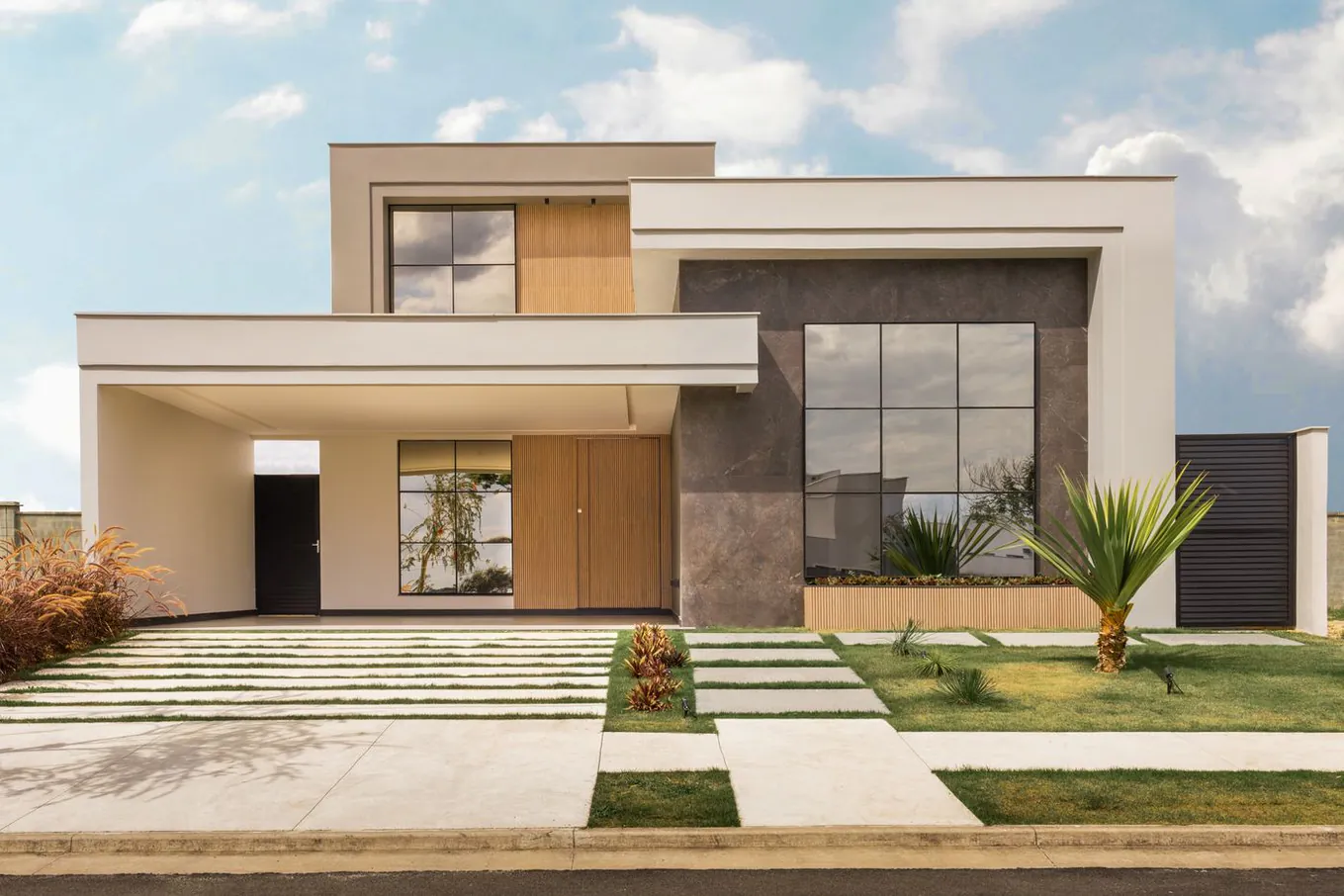
Home window tinting does not have to be an all-at-once project, and for most houses it should not be. The right first move is the glass that is actually causing a problem, which is almost always west-facing windows, then south-facing ones, then whichever room has furniture or flooring visibly fading. Start there and you solve the complaint that made you look into film in the first place. Everything else can follow later, in a second phase, with no penalty for waiting. The one thing worth thinking about before you split a project is appearance from the street, because doing half the windows on one face of the house can look uneven from outside. That is easy to plan around once someone points it out, and it is the main reason we walk the house before quoting anything.
Table of Contents
- Home Window Tinting Starts With the Room You Avoid
- The Priority Order That Works
- Why Appearance Argues for Whole Elevations
- Windows That Rarely Need It
- Frequently Asked Questions
Home Window Tinting Starts With the Room You Avoid
Before thinking about compass directions, think about behavior. Most houses have a room nobody sits in between two and six, a chair that got moved because of the sun, a television nobody can watch in the afternoon, or a blind that stays closed year round. Those are the windows to do first, because they are the ones costing you use of your own house.
A closed blind is the clearest signal of all. If you are permanently blocking a window to make a room usable, you paid for a view you are not getting. Film is the option that fixes the heat and glare while leaving the window open, which is the entire reason people choose it over coverings.
Spend a day paying attention before you decide anything. Walk the house at nine in the morning, again at two, and again at five, and note which rooms are uncomfortable at which hour. That simple exercise is worth more than any rule of thumb about compass directions, because your particular house has trees, a neighbor, a porch roof, or a reflective building across the street, and all of those change the answer.
The Priority Order That Works
West-Facing Glass
West windows are almost always first. Afternoon sun comes in low and direct rather than from overhead, so far more energy passes through the glass, and it arrives at the end of the day when the house has already been absorbing heat for hours. That is why a west room at five feels worse than a south room at noon, and why it is the complaint we hear most often.
South-Facing Glass
South exposure takes the most total sun across the day, so it drives the steadiest heat gain and the most fading. It is also the exposure that changes most between seasons here, because the winter sun sits low enough to reach deep into rooms that were fine in July.

Rooms Where Things Are Fading
Fading is the damage that is already happening while you think about it. Hardwood, rugs, upholstery, artwork, and cabinetry all lose color on the sunny side, and it is gradual enough that you notice only when you move a piece of furniture and find the original color underneath.
Ultraviolet light is the largest single contributor, and quality film blocks up to 99 percent of it. That does not make anything fade-proof, because visible light and heat also play a part, and we explained the full picture in what causes fading and can I prevent it. The amount of ultraviolet energy reaching a room is easy to underestimate, and the Skin Cancer Foundation’s material on UV radiation is a useful reminder that it is not only a concern for your furniture.
Why Appearance Argues for Whole Elevations
Here is the practical constraint on phasing. Film changes how glass looks from outside, subtly with a light product and noticeably with a reflective one. If you treat three windows on the front of the house and leave two, the difference can be visible from the street.
So the sensible way to phase is by elevation rather than by individual window. Do the whole west side now and the whole south side next year. Inside, the rooms feel different, and from the curb the house still looks deliberate. If you live somewhere with an association that has a say in exterior appearance, check before ordering, since film choice may be constrained. It is a five-minute call that occasionally saves an entire order. Understanding what the performance numbers mean before comparing products helps too, and the NFRC consumer guide to window film lays them out plainly.
Windows That Rarely Need It
North-facing windows get no direct sun in this region, so they are usually the last candidates and often skipped entirely. Small windows in bathrooms, closets, and stairwells are rarely worth solar film, though they are frequent candidates for a privacy or decorative product for an entirely different reason.
Heavily shaded glass under a deep porch or behind mature trees is another one to look at carefully rather than include by default. And anywhere you actively want winter sun, say so, because that is a real tradeoff worth deciding on deliberately rather than discovering in January. Privacy-driven glass is covered in privacy window film options.
Frequently Asked Questions
Will tinted windows make the house look dark from inside?
Not at the levels most homes choose. Modern films reject a large share of heat while passing most of the visible light, and if keeping the view after dark matters, a dual reflective product like Night Vision film is built for exactly that.
Can I use different films in different rooms?
Yes, and you usually should. A west-facing great room and a north bedroom have different needs. The constraint is appearance from outside on the same elevation, not what happens room to room.
Is it safe on my windows?
Usually, and the glass has to be identified first. Insulated and low-E units need a product chosen with thermal stress in mind, which we cover in window films on insulating glass windows.
Does phasing cause a mismatch later?
Not if the same product is available, which is one reason to choose a current mainstream film rather than something obscure. Tell us up front that you are phasing and we will note the exact product for your second phase.
How many windows is a typical first phase?
Most first phases we do are one elevation, which in a typical house is somewhere between three and eight openings depending on the layout. That is usually enough to fix the complaint that started the conversation, and it gives you a real sense of how the film looks and performs before committing to the rest.
What about sliding doors and large spans of glass?
Sliders and large picture windows are frequently the single biggest source of heat in a house and they usually top the list regardless of direction. They are also the glass where a covering is least practical, which is a large part of why homeowners look at film for them first.
Walk the House With Us
Point at the room you avoid in the afternoon and we will work outward from there. See our residential window films page, our Baltimore home window tinting page, then request a quote.
